

A few years ago, I briefly worked at a digital conversion company. Customers would bring in their old photos, vacation slides, home movies, and VHS tapes and we would transfer them into a digital format of their choosing. I was put in the video department, and it was just before the holidays, so there were often large stacks of tapes that needed to be transferred, and most people would just bring in all the tapes they had, most of them unlabeled, with no idea what was on them. I once made someone a digital file that was just six hours of Friends reruns. I understand that they most likely didn’t have a VCR to check what was on the tape before bringing it in, but they must have been a little disappointed if they thought they could relive their child’s birth and they ended up with “The One Where Rachel Finds Out.”
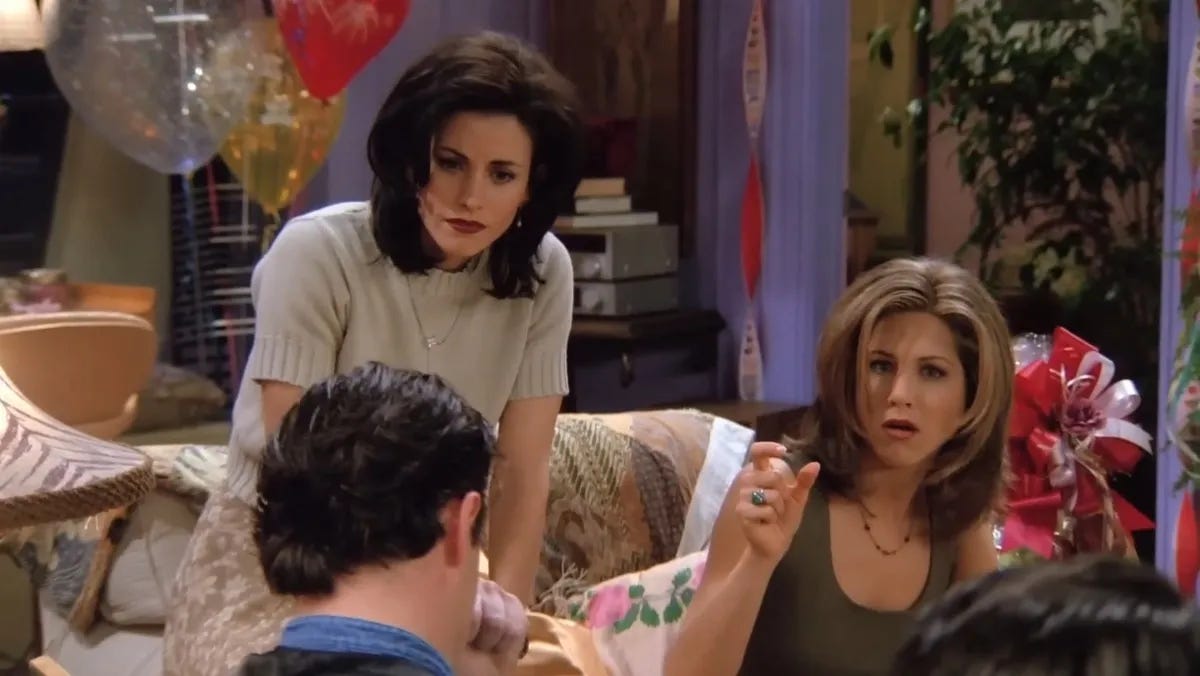
It was easy for me to look at this job as just another step in my progression: movie theater employee, video store clerk, and now tape digitizer. The truth was it wasn’t really intentional. I just needed a job and they needed someone for the holiday rush. And maybe I would have gotten better with more time and training, but the reality was I kind of sucked at it. It may sound like I was doing a noble thing, preserving cherished memories for people, but it was actually agonizing. For example, a six hour tape that is full of Friends reruns takes six hours to digitize, so it’s not like I was transferring a couple tapes of the Smith’s trip to Disney World and then giving them a flash drive and calling it a day. While Ross and Rachel were fighting on one computer, I had to work on another family’s memories, and while that family trip was digitizing, I had to start on a bar mitzvah on another computer. The guy who trained me suggested I use a notebook to keep track of all of the customers we had. I found it kind of ironic that our job was updating old technology, and this guy was using a spiral notebook to keep track of everything, but I guess it helped him. He got a lot more work done than I did.
It was really a question of motivation. I was in my early 40s at this point, so my dreams of Hollywood weren’t really at the forefront of my brain, but I still just didn’t find this work particularly engaging. My mind would sometimes wander when I would come across a tape that had a birthday party on it, and the date and time stamp would be on the screen. I would imagine how old they were now, what they were doing, and if I could possibly steal their identity, since I now had their name and date of birth. I never did it, of course, but that’s how bored I was.
I was about to simply walk out one day when I was transferred to a different department. I was put in front of a bank of VCRs to do the actual bulk transferring. This wasn’t all that much more exciting, but I think my experience and fondness of VCRs made it more palatable. Then one day, I digitized a recording of The Matrix that someone had made off TNT and I realized something:.
We used to like to own things.
And I don’t mean just buying them. I made a recording of Clue because I liked it so much that I wanted to be able to watch it whenever I felt like it. This person probably felt similarly about The Matrix at some point - although they probably should have labeled the tape so they wouldn’t have to pay to have it digitized years later. But back then, if someone gave a movie a permanent place in their collection, it was significant. And like your collection of books and music, your collection of movies said something about you as a person.
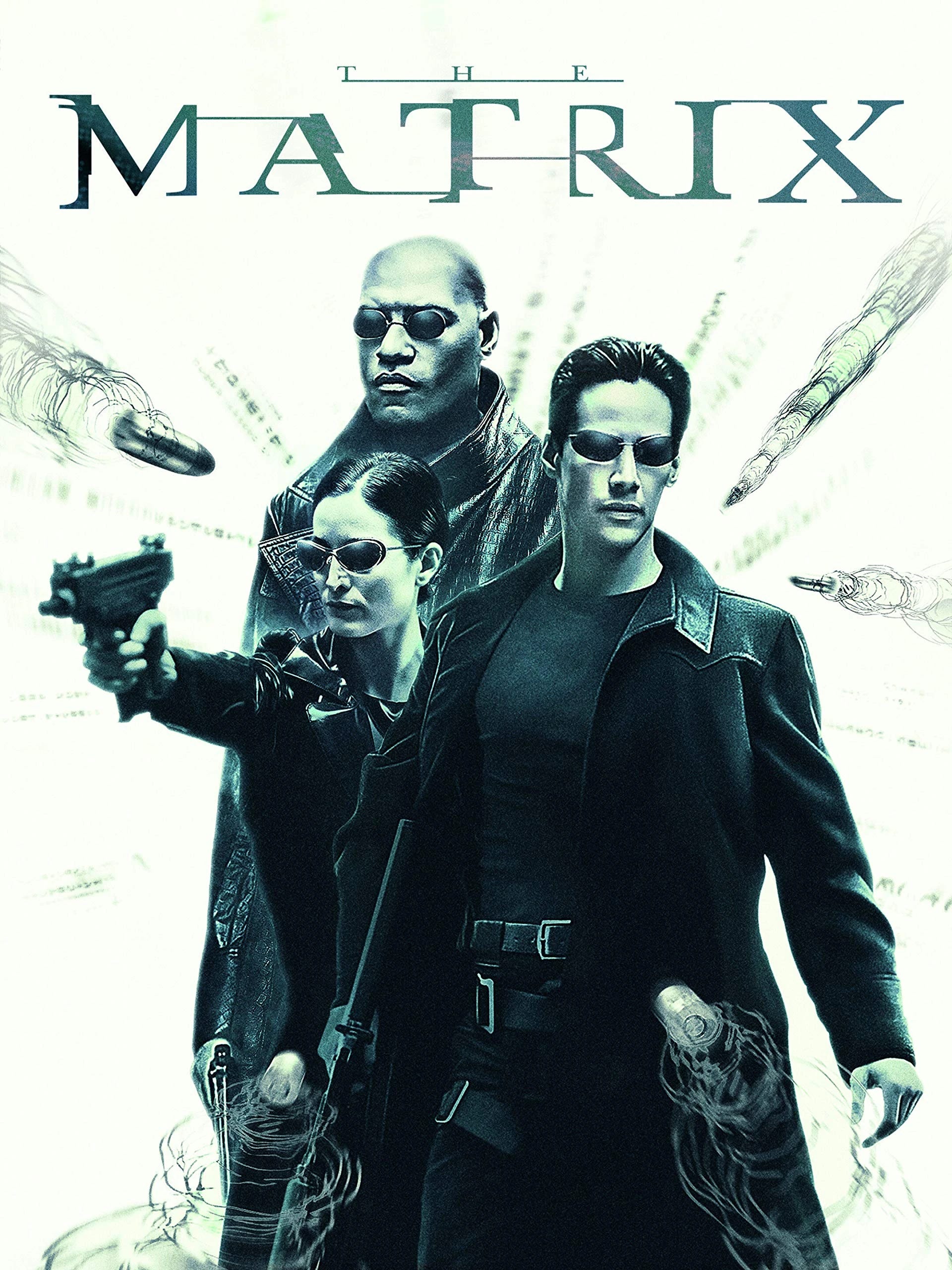
Not necessarily about your tastes, but about what you thought was important. What you didn’t want to lose. A movie collection wasn’t a list of your favorite movies. They were maybe movies that you didn’t even really like, but were reminders of things you had lived through, like first dates, birthday parties, or bad movie nights with friends. Your collection was a list of the movies you couldn’t bear to live without.
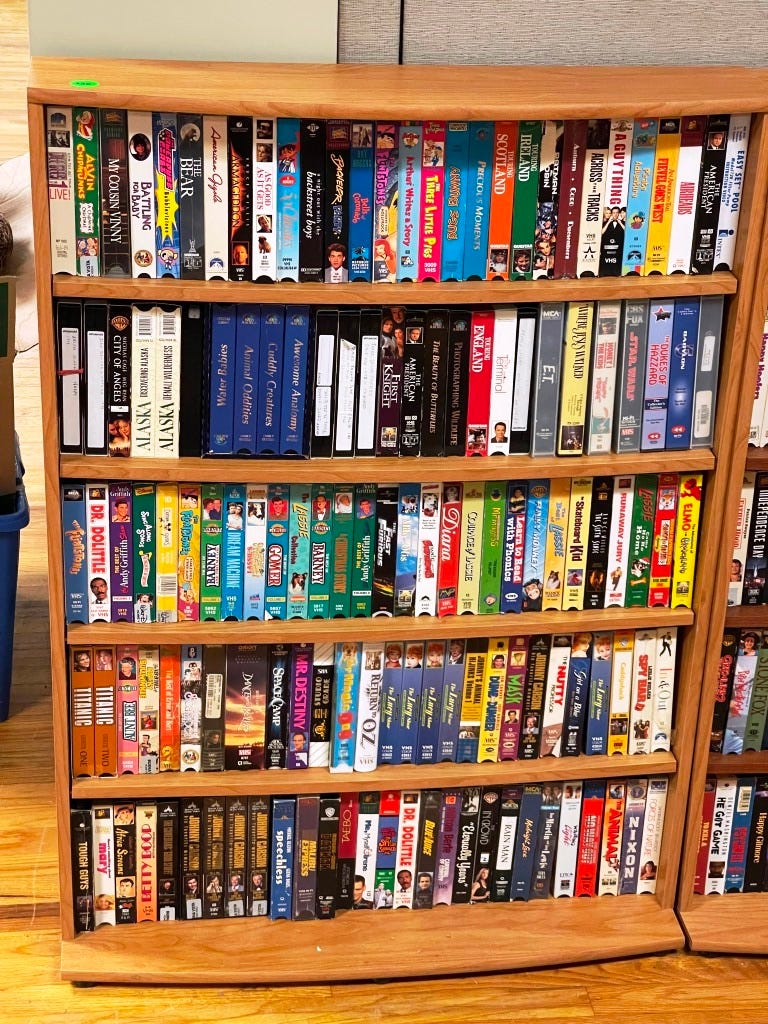
That’s really what the job taught me. Whether it was your daughter’s fourth grade recital or The Matrix, at some point, it meant enough for someone to hit “Record.” When I recorded that bootleg of Clue, I was saying, “I want this available whenever I need it,” because it mattered.
Obviously, people have digital libraries, and physical media is still available, and piracy is rampant, much the same way it was when I hooked up two VCRs back in the 90s. It all just seems less important somehow. I bought a bunch of movies on the Google Play app a few years ago, figuring Google will never go anywhere. They soon discontinued the app and moved everything to Youtube. I think my movies are still there somewhere, but I haven’t looked for them, and I probably won’t, because those movies are most likely available on some streaming service or another if I want to watch them. It was just nice knowing that, like my distorted copy of Clue, they would be there if I needed them.
Just like the home movies I digitized. Maybe the customers would watch them now that they had digital copies. Maybe it would become a yearly tradition to relive those memories. Or maybe they wouldn’t. Maybe they were just happy to have them in case they needed them.
What’s important is that I realized we weren’t really digitizing tapes.
We were digitizing decisions.
Somebody decided a birthday party was worth keeping. Somebody decided a family vacation was worth keeping. Somebody decided a recording of The Matrix off TNT was worth keeping.
The tape itself wasn’t important.
The decision was.
It was proof that, at one point in somebody’s life, that moment mattered.
And maybe that’s all our collections ever were.
Thanks for reading. Don’t forget to like and subscribe, listen to the podcast, and buy me a coffee if you are so inclined. Every little bit helps keeps the lights on, so I don’t have to go back to digitizing home movies.
Sorry you had to watch all of those episodes of Friends!