In 1990, the Cubs’ Ryne Sandberg won the MLB Home Run Derby by hitting three home runs.
It was a completely different game back then. In fact, the Home Run Derby I grew up watching wasn’t really the same game we watch today.
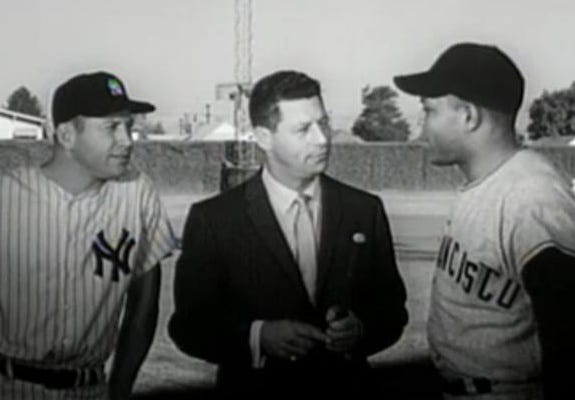
The version that first captured my imagination looked like this:
Two players, 9 innings, and everything that isn’t a home run is an out. The winner took home a cool two grand, with the loser getting $1000. The players could also earn bonuses for hitting more than three homers in a row. A fun concept that unfortunately only lasted one season because the host, Mark Scott, passed away from a heart attack at 45.
Today’s Derby rewards power, endurance and, perhaps surprisingly, the pitcher’s ability to keep feeding hittable strikes. Plus, the winner now gets a million dollars, which seems like a lot but considering the salaries of some of these players, it’s not that big a deal
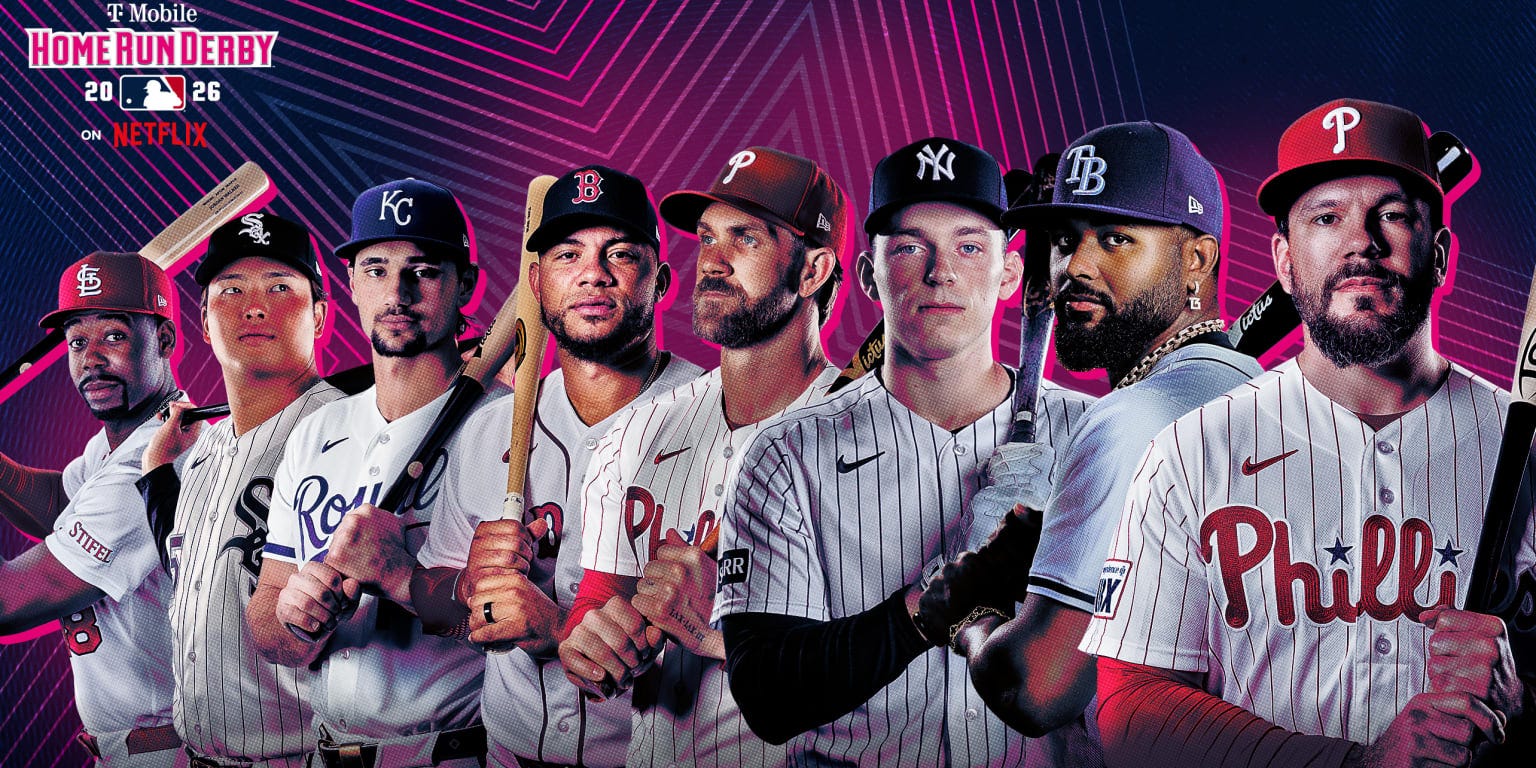
The Derby is still exciting. Watching baseballs disappear into the night never gets old. But, one change to the rules this year is the elimination of the clock, where batters had 3:00 minutes to hit as many home runs as possible. It made for a faster-paced show, but you couldn’t always admire a majestic home run because there was usually one following right behind it. This year, the players get 20 swings in the first round, and 15 in the following rounds. If they hit it out on their last swing, then they can keep swinging until they don’t hit one out, but there’s no clock, no bonus time, no time-outs to take sips of Gatorade. It should be more relaxed.
And it sounds more like the Home Run Derby that I know. In fact, when we were kids, my friends and I used to go to a little league field and play our own version. Since an actual game of baseball requires quite a few players, and we only had 3 or 4, Home Run Derby was our only option. We weren’t trying to recreate the Home Run Derby we’d seen the night before on ESPN, though. We were trying to recreate the one Mickey Mantle and Willie Mays played in grainy black-and-white. Ten outs. Home runs didn’t count against you. Everything else did. That was the real Home Run Derby, as far as we were concerned. And we didn’t play Home Run Derby because we couldn’t get enough players for baseball. We played it because Home Run Derby was baseball on those afternoons.
One of us would bat, one would pitch, and there were two or three outfielders to retrieve the balls. The only downside was the patch of woods beyond the outfield fence. Any ball hit in there was as good as gone, or at least good for a fifteen-minute search. Otherwise, it was a perfect way to spend a Summer afternoon. We didn’t need much; a couple bats, a couple gloves, and a few balls, although we usually came home with fewer than we went there with.
There was always a fun dynamic when we would play. We were all friends, but sometimes there were arguments over a ball being fair or foul, or if we’d lose track of how many outs there were. I wasn’t the best hitter, but I could throw more strikes than anyone in the group. I also supplied most of the baseballs, since my Dad ran our town’s Little League and always had extras in the basement. Meanwhile, my friends John and Brian were usually the ones competing for the lead, but John understood that Home Run Derby could be as much a mental game as a physical one. He’d constantly try to get Brian angry enough to swing at anything. Whether it worked or not, John usually won our derbies.
But it didn’t matter to me who won (which helped, because I rarely did). We still created some great memories. And hopefully, this year’s official MLB Home Run Derby, without a clock, can capture some of the same magic that Mays and Mantle did, and that we did on those little league fields.
Maybe this year’s Derby will produce another unforgettable performance. Maybe someone will top Josh Hamilton or Mark McGwire or Shohei Ohtani.
I’ll enjoy watching.
But somewhere in the back of my mind, I’ll still be counting outs instead of swings, remembering a handful of kids on a Little League field trying to be Mickey Mantle and Willie Mays.