

In the 90s, we played video games.
I know a lot of people did. But while a lot of our classmates were drinking in the woods or sneaking cigarettes, my friends and I would gather together and play Sega Genesis in the living room: Street Fighter II, Earthworm Jim, Robocop vs. Terminator, and maybe most interestingly, Maximum Carnage, featuring Spider-Man and Venom teaming up to battle their common enemy, Carnage.
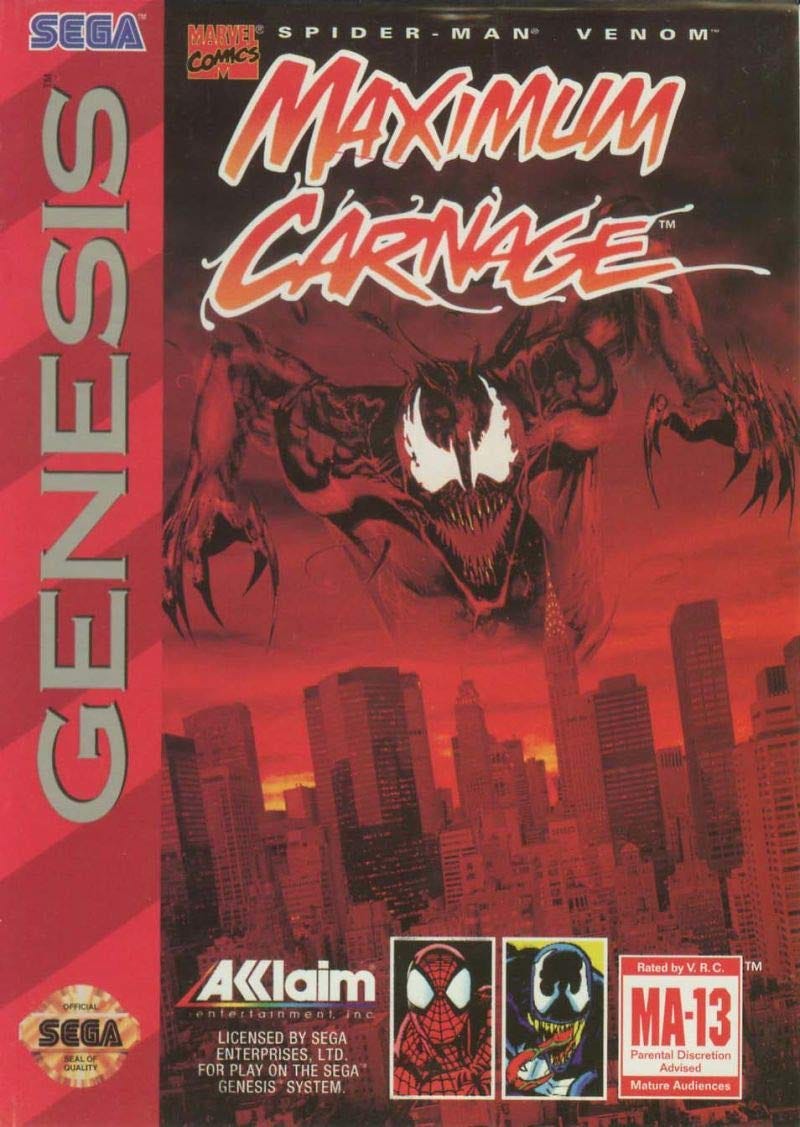
We were comic fans, so we were naturally drawn to that one. But not everyone in the group shared our passion, so while playing one day with others present, my friend Carolyn asked, “Wait, Carnage is a person?”
I think she assumed it was just a cool name for a Spider-Man video game, which it was, but Carnage was also the name of one of Spidey’s main villains at the time. And a perfect character to be used in a video game, because you could also involve Venom, whose popularity was also peaking.
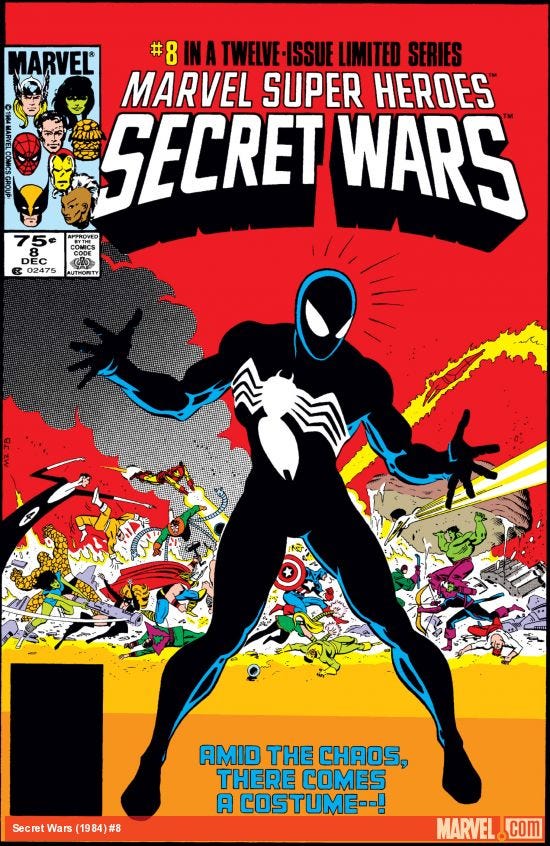
Without breaking my concentration, I started telling Carolyn what I knew about the origin of Carnage, which connected back to the origin of Venom, which brought me all the way back to the original Secret Wars, when Spider-Man brought the black suit back from an alien world.
I think she was a little surprised at the breadth of my story, but I had read most of these comics multiple times. I had all this information stored in my brain, as if I was just waiting to unleash it onto an unsuspecting person, some poor soul who wasn’t as knowledgeable about the interconnected world of Marvel Comics as I was.
This one afternoon playing Maximum Carnage was just the beginning. I started regaling friends with Marvel sagas while playing other games, or even riding the train into Boston. There was almost never a day hanging out with me when I didn’t have a comic book story at the ready, and Maximum Carnage wasn’t even my favorite one. Iron Man’s Armor Wars, Captain America’s Streets of Poison, The Infinity Gauntlet, it was all there in my memory bank. Anyone present who didn’t know the comics got the full storyline, beat by beat..
It may have been a little nerdy, but people seemed entertained. They kept asking, so I kept telling.
A few years later, Marvel characters started appearing in big-budget, live action movies. First, it was the X-men, then Sam Raimi’s Spider-Man, then Daredevil and Hulk. A few years after that, the Marvel Cinematic Universe exploded, and suddenly, these characters were household names.
No one had to ask if Carnage was a character, because even he was featured in a movie.

All of the sudden, my vast knowledge of comics seemed almost useless. Even if I tried to illustrate how a movie storyline differed from the comics, I was usually met with a shrug. And the more movies and shows that were released, the more that any references to the comics seemed like fan service.
When I was a child, and even as a teenager telling the stories over a game of Earthworm Jim, I dreamed of seeing big screen adaptations of my favorite Marvel comics. Now that I had them, I was mostly happy, but something had changed.
They weren’t really mine anymore. They belonged to everyone. And after so many comic book movies and shows, fan interest actually waned. I still knew the lore of Spider-Man’s black suit, but nobody was asking about it.
These days, if someone wants to know who Carnage is, they can pull up a wiki page, watch a YouTube video, or ask an AI. The answer takes about thirty seconds. Back then, the information lived inside people. If you wanted to know who Carnage was, you had to ask a comic fan, and if you happened to ask me, you were going to get the deluxe edition. And I would be beating Carnage while I told you.
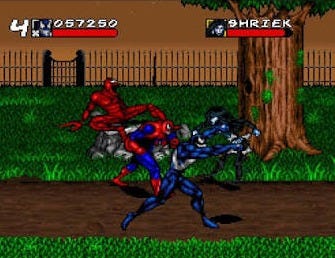
Ok, it sounds good for this story, but I’m pretty sure I never actually beat Carnage.
I finally figured out that it didn’t really matter if people knew or cared about the comic book origins of these MCU characters, because I still knew, and I still cared. Maybe no one was asking for those stories anymore, but I’m still glad I knew them.
Besides, Carolyn got her answer eventually. At least, I assume she did. I was still talking when the game ended.